



As businesses continue to enter into a digital-first economy, implementing and utilizing digital technologies is critical for sustaining and maintaining their competitive edge. Enterprise Software Development has become an extremely valuable method for increasing operational efficiency, improving workflow-related processes, and allowing for expansion through the use of enterprise-level software solutions. The sole purpose of such solutions is to facilitate the delivery of “custom-designed” software applications to enterprise-level organizations characterized by:
1. complex workflows
2. high volumes of data
3. significant numbers of inter-departmental relationships
Unlike off-the-shelf type software applications, enterprise-level software solutions are developed to fit a company’s precise needs. Examples of how enterprise applications can enhance operational efficiency and improve the ability of companies to make “informed decisions” include the automation of business processes, providing real-time business intelligence, and streamlining operational processes.
In summary, when considering investments in enterprise software development, organizations should assess their overall strategic direction, determine their enterprise software application requirements, and seek to identify and leverage those enterprise software applications by developing a strong relationship with a reliable enterprise software application development vendor.
What is Enterprise Software Development?
Enterprise software development is the practice of creating large-scale applications that allow organizations to effectively manage their operations. Some examples of enterprise software development include:.
- Customer Relationship Management (CRM)
- Enterprise Resource Planning (ERP)
- Supply Chain Management (SCM)
- Human Resource Management Systems (HRMS)
- Data analytics platforms
Enterprise software development creates a unified, centralized repository of information for all departments and processes throughout an organization, enabling better communication and enhancing the efficiency and flow of work.
Key Reasons Businesses Should Invest in Enterprise Software Development
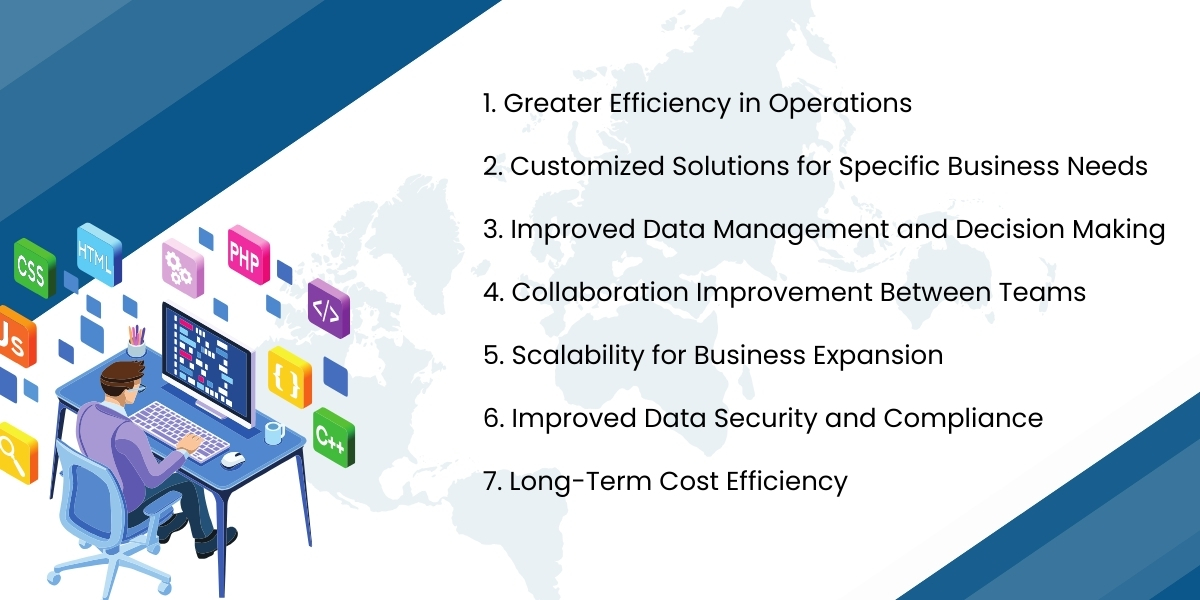
1. Greater Efficiency in Operations
Enterprise Software delivers efficiency through automation; many enterprises still use manual processes that are slow, inefficient, and often produce errors.
Automating repetitive business tasks such as inventory management, customer tracking, and reporting frees up employees’ time to spend on less manual processes and ultimately to perform higher-level strategies.
Automating these types of tasks increases accuracy and speeds up Operations.
2. Customized Solutions for Specific Business Needs
Every business has its own processes and way of doing things and most commercial software does not easily fit these processes and businesses have to change their processes to suit those commercial products.
Enterprise software development allows you to create custom applications containing customized features, integrations, and Process that are created specifically for your business’ goals.
This flexibility allows the software to keep growing with the business and changing as the company grows.
3. Improved Data Management and Decision Making
Business today creates more data than ever before. Enterprise software systems assist businesses to organize, collect and analyze this data in real-time.
Integrated Reporting and analytic tools enable decision makers to gain insight into their businesses that identifies trends, forecasts demand, and optimizes operations. The insights gained from these analyses allow businesses to make more accurate and quicker decisions than would have occurred without them.
4. Collaboration Improvement Between Teams
In big companies, departments tend to work in isolation from one another. Because of this, productivity and efficiency can become hindered.
Enterprise level software builds one central platform for all teams to share information from and work together in real-time. By using real-time communication platforms (like Skype for Business) and integrated workflows, employees can collaborate regardless of geographic location.
5. Scalability for Business Expansion
When an enterprise grows, its software requirements will also change. The same software that works for a smaller organization may no longer be able to manage the volume of data and users that come with scaling up.
Enterprise level software is built to scale with the company and meet its growing software needs. New functionality can be added, new systems can be created and integrated into the company and the workload can increase without having to replace the company’s entire IT infrastructure.
This scalability helps ensure that the organization will continue to operate into the future and have the ability to change as needed.
6. Improved Data Security and Compliance
The threats posed by cybercrime are growing each year across all areas of industry and protecting your company’s sensitive information is critical to your success.
There are many advanced security features built into enterprise level software products which help protect sensitive/business information, including:
- Data encryption
- Role-based access controls
- Secure authentication processes
- Compliance with mandated regulations
With these features present in the software, you can have peace of mind knowing that your organization’s sensitive information is protected and safe from cyber criminals.
7. Long-Term Cost Efficiency
While enterprise software development requires an upfront investment, it often saves money in the long run.
Businesses can eliminate multiple subscription-based tools by replacing them with one integrated platform. Additionally, automated workflows reduce operational costs and improve productivity.
This makes enterprise software a cost-effective solution for long-term business growth.
Enterprise Software Development Is Important for Digital Transformation
Digital transformation is essential today! All companies must use digitally transformed methods (technological), otherwise they risk losing customers to competitors.
Enterprise software development allows companies to:
- Digitally transform their business processes
- Improve operational efficiency or increase profitability
- Gain a competitive advantage
- Provide better, more reliable customer service
- Significantly speed up the process of scaling a digital economy
By investing in enterprise technology solutions now, organizations will be positioned better for success in the very near future.
Conclusion
Enterprise software development can be very useful for organizations looking to improve efficiency, scalability, and innovative products/services. By investing in custom-built enterprise software solutions, organizations can automate their business workflows, create a more collaborative organization, improve their data security, and provide valuable insights from their data.
As companies continue to pursue a digitally transformed status, enterprise software will continue to play an important part in the company’s growth and long-term success.
By choosing the right development team, you will ensure that your enterprise software solution will be secure, scalable, and tailored specifically to your organization’s needs.
Build Scalable Enterprise Software for Your Business
Empirical Edge delivers custom enterprise software solutions that streamline operations, enhance productivity, and support long-term business growth.
Frequently Asked Questions
Enterprise software development is the process of building large-scale applications designed to manage complex business operations across multiple departments.
It improves efficiency, automates workflows, enhances collaboration, and provides data insights that help businesses make better decisions.
Yes. Enterprise software can be fully customized to match the specific processes and requirements of an organization.
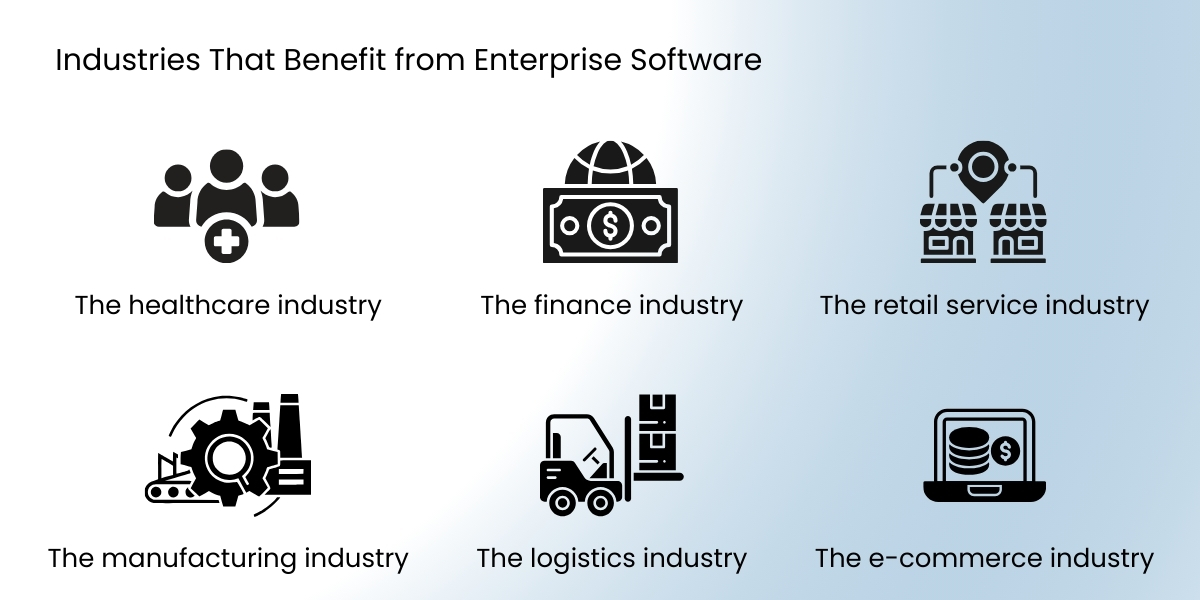
Industries such as healthcare, finance, manufacturing, retail, and logistics rely heavily on enterprise software systems.
The timeline depends on the complexity of the project, but most enterprise solutions take several months to develop and deploy.
Written by: Empirical Edge Team