
Healthcare providers worldwide are embracing new technologies quickly to enhance their care, become more efficient, and improve the overall experience for their patients. With growing pressure on healthcare organizations to transform digitally, many are investing in advanced IT solutions to create a more intelligent, more streamlined, and faster system of healthcare delivery. Some healthcare technology trends, including AI technology and cloud-based infrastructures, assist healthcare organizations in managing patient data, creating better clinical decision-making processes, and improving overall operational efficacy.
Organizations that make the right decisions regarding their healthcare IT strategies today will be more likely to provide quality care while remaining competitive as the landscape in healthcare continues to rapidly evolve.
1. AI in Healthcare
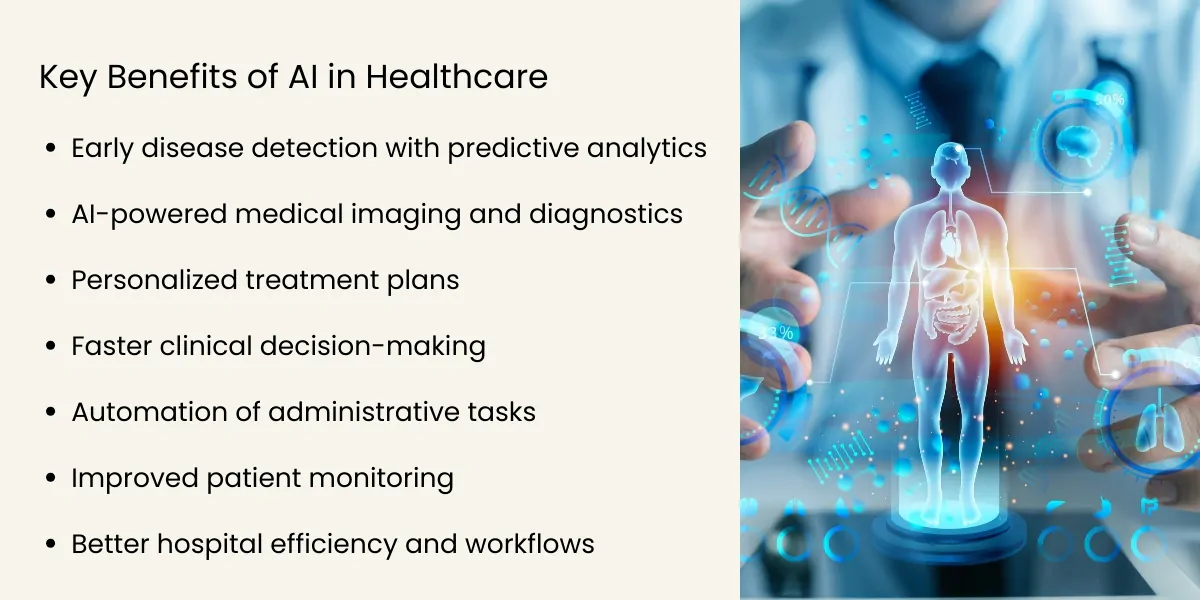
AI technology is one of the largest influences on healthcare today. Healthcare providers use AI to conduct analysis on medical data, identify diseases earlier than before, and improve the accuracy and quality of treatments provided.
AI driven systems can help physicians to diagnose diseases, anticipate patient risks and establish customized treatment regimens. These abilities enable healthcare providers to deliver quicker and more precise care while reducing the amount of work required for paperwork.
2. Telehealth & Virtual Care
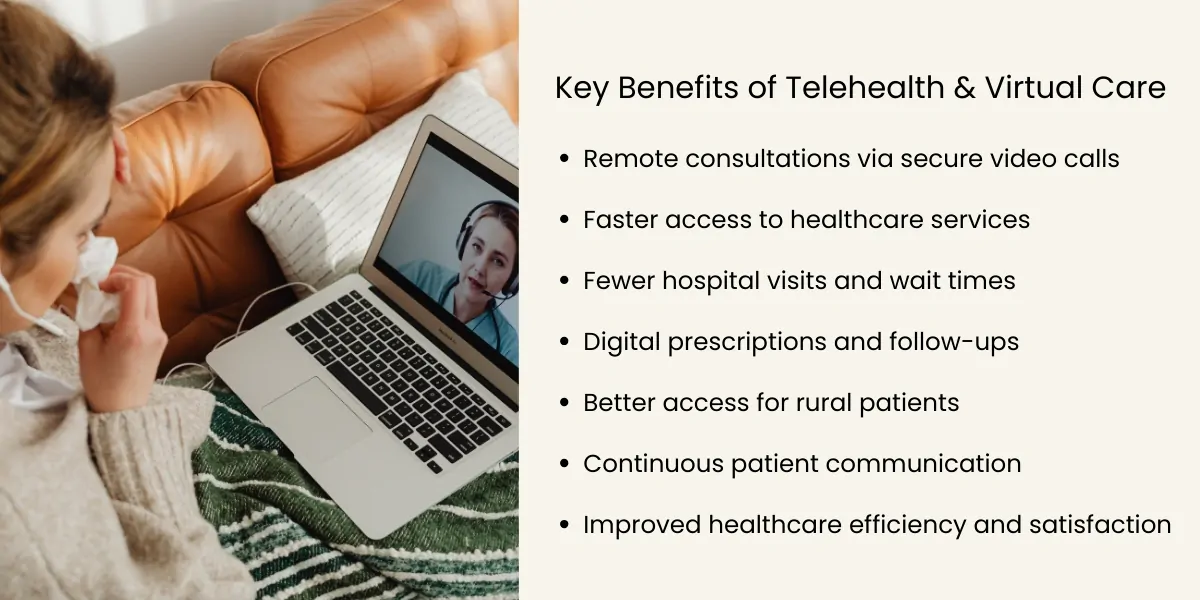
Telehealth has become an increasingly critical element within modern healthcare delivery. Virtual appointments afford patients the opportunity to access their healthcare provider remotely with greater convenience and accessibility than would otherwise be possible.
Healthcare entities around the world are investing heavily into telehealth-based platforms designed to facilitate secure video appointments, e-prescriptions and outreach to and communications with patients remotely. Using telemedicine technologies allows providers to see more patients and provide superior overall care.
3. Cloud-Based Healthcare Infrastructure
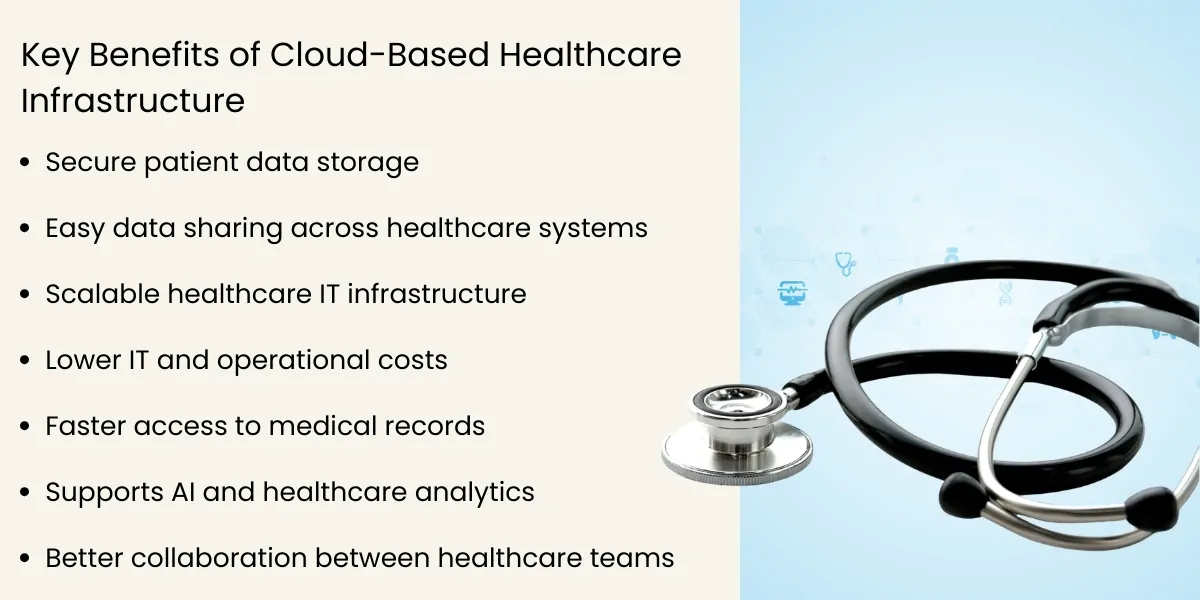
Cloud-based computing is fundamentally changing the manner in which healthcare entities utilize the technology to support the storage of, the management of, and access to data. Cloud-based platforms will allow for secure exchange of information amongst healthcare entities such as hospitals and clinics as well as between healthcare professionals.
Cloud-based infrastructure allows healthcare organizations the ability to grow their information technology (IT) infrastructure in an efficient manner while maintaining a low operating expense and providing more timely access to data to their healthcare providers. Cloud-based solutions are also an enabling technology for providing advanced analytics, artificial intelligence and digital health platforms.
4. IoMT (Internet of Medical Things)
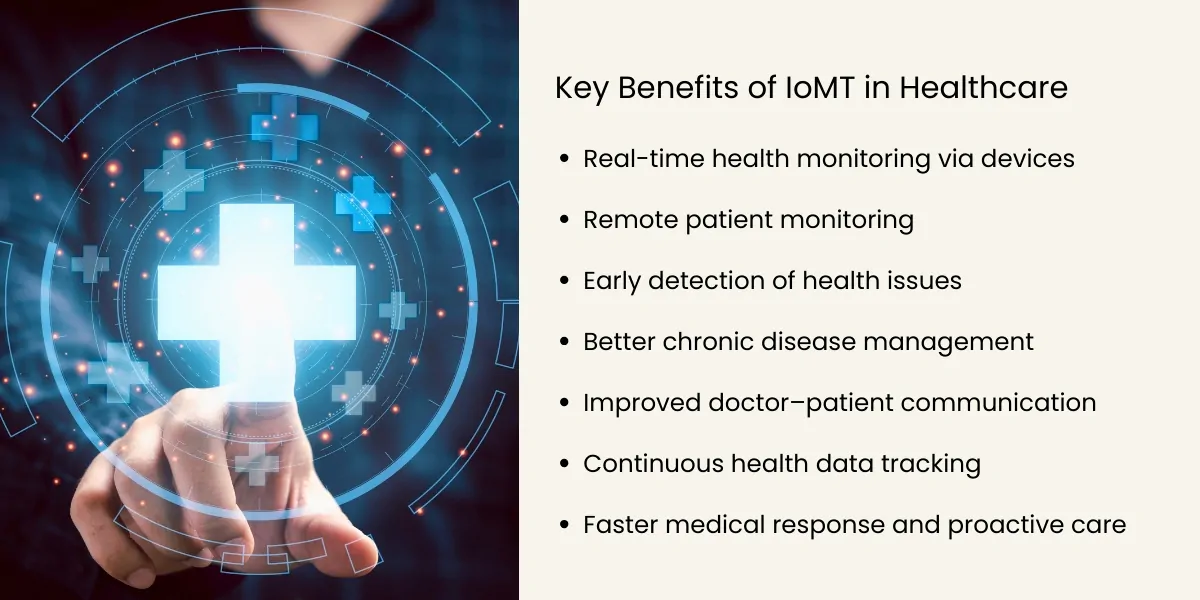
Connected Medical Devices Are Enhancing Locations Where Patients Are Monitored And Managed In HealthCare. With Wearable Devices And Smart Sensors (Which Include The New “Keep-Me-Active”) Providing Real-Time Patient Health Data To Providers Via Telemedicine / Healthcare Providers. As Such, IoMT Devices Allow Physicians To Medi Doctor Patients From A Distance, Promptly Detect/Notify Of Patient’s Possible “Issues” Early (Prior To Illnesses Developing), And To Psychologically Support Patient’s Long-Term Recovery From Chronic Disease.
5. Healthcare Analytics Provide Insight Into Patient Data
Healthcare Organizations Collect An Enormous Amount Of Patients’ Data Through Their Operations. Advanced Analytics Tools Convert Lots/Many Of These Patient’s Data Into Meaningful Use / Decisions (Improved Treatment Plans Through Analyzing Clinical Data), Optimize Resource Allocation And Identify Patterns That Improve Patient Outcomes. Also, Analytics Drives Operational Benefits Within HealthCare Organizations.
6. Cyber Security Issues With Health Care Organizations
Patient Health Care Data Is Very Sensitive Thus Cyber Security Is Very Important Within The Health Care Organization To Protect Users Of All Health Care Technology. The Majority Of Today’s Health I.T. Solutions Are Meant To Protect Each Patient’s Health Data (Such As Encryption, Secure Access Controls, Etc.), And Comply With Government Regulations. By Having A High Level/Quality Cyber Security / Cyber Security System In Place, You Are Building Trust With Your Patients While Protecting Your Security I.T. System From Future Threats.
7. Interoperable Healthcare Systems
Interoperability means that health care systems can talk to each other and share information. A single interconnected system allows all providers to view all patient records at one time so that they could work better together between providers within different departments.
When health care systems work together like this we produce better patient care, fewer errors and ultimately, more enjoyable patient experiences.
The Importance of IT Services in Healthcare Change
Transforming health care will not be successful by only introducing new technologies, without having proper strategies and plans put in place. To be successful, health care organizations depend on knowledgeable and trusted IT partners to plan, create, deploy and support digital healthcare solutions.
At Empirical Edge, our focus is to support health care organizations by providing scalable IT infrastructure, high-security data centers and cutting-edge digital platforms, to allow them to deliver healthcare more efficiently.
Our technology team is dedicated to creating digital solutions that enhance both the clinical workflow and patient experience, while achieving long-lasting digital transformation.
Transform Healthcare with Smart Technology
At Empirical Edge, we help healthcare organizations adopt advanced IT solutions that improve patient care, enhance clinical efficiency, and support digital transformation. From healthcare software development to secure cloud infrastructure, our experts build scalable technology solutions designed for the future of healthcare.
Frequently Asked Questions
Some of the most impactful trends include artificial intelligence, telemedicine, cloud computing, healthcare analytics, connected medical devices, cybersecurity solutions, and interoperable healthcare systems.
AI helps healthcare professionals analyze medical data, detect diseases earlier, automate administrative tasks, and improve diagnostic accuracy.
Cloud computing allows healthcare providers to securely store and share patient data while improving system scalability and reducing infrastructure costs.
Telemedicine enables remote consultations between patients and healthcare providers, improving accessibility and reducing travel and waiting times.
IT service providers help design, implement, and manage healthcare technology solutions, ensuring systems are secure, scalable, and aligned with organizational goals.
Written by: Empirical Edge