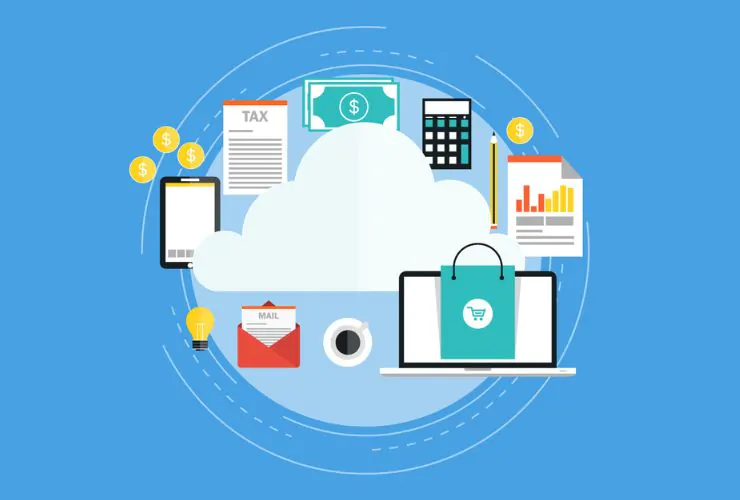



Looking for ways to enhance efficiency, lower expenses and remain competitive in an ever-changing digital world? Companies of all sizes have begun leveraging cloud-based applications as part of their overall business strategy to provide greater flexibility, security and speed to meet today’s challenges.
From startups to large corporations, companies are embracing cloud computing to streamline business processes, collaborate with others and create a more scalable environment. The capabilities of cloud computing solutions are much broader than simply providing space; they allow for the design of flexible and secure systems that can perform at a high level.
In this blog post we will evaluate why companies are transitioning from traditional on-premise technology to the cloud, identify the main benefits associated with creating a cloud-based application and describe how these types of solutions can assist your business in achieving its goals.
1. Saving Money and Improving Operational Efficiency
Many companies are moving towards cloud-based applications because they want to save money and improve their overall efficiency. With traditional IT infrastructure, a large investment in hardware must be made along with ongoing maintenance and upgrades. By using cloud infrastructure services, it’s possible for organisations to transition from a capital expenditure to an operational expense with a pay-per-use pricing structure, resulting in significant upfront cash savings.
Key Advantages of Cloud-Based Systems:
- Eliminates the need to buy expensive hardware
- Reduces maintenance costs
- Offers flexible payment terms and structures
2. Flexibility and Scalability
Scalability is one of the many benefits of cloud computing, and many companies use cloud services due to their ability to quickly scale their use of resources as their demand fluctuates. This flexibility is beneficial for growing businesses, as they can quickly add or remove resources as necessary.
Why It’s Important:
- Able to manage high traffic periods
- Support growth of the business
- Minimizes risk of downtime
Businesses can grow on cloud platforms without needing to make additional investments into their infrastructure.
3. Improved Security
There are often security concerns associated with moving to a cloud environment; however, today’s modern security technology offers extensive protection capabilities. Examples of security features included in cloud-based systems are:
- Encryption of all data
- Multi-factor authentication
- Regular updates of security
Cloud service providers have made significant investments into their security offerings and, as a result, most organizations find that no cloud-based application is less secure than the traditional way of doing things.
4. Performance Improvement and Speed Enhancement
Cloud computing optimizes performance through distributed server infrastructure and simulates optimum infrastructure.
Cloud computing has improved application optimization to maximize minimize downtime for applications.
performance optimization guide
5. Accessing/Collaborating Remotely
With cloud applications, teams can collaborate and exchange files using cloud services from any location.
Benefits:
- Work from anywhere
- Collaborate in real time
- Increased productivity
This is particularly helpful for employees who work remotely or in hybrid working conditions.
6. Maintenance/Automatic Updates
With cloud computing services, the service provider will deliver all automatic updates and perform periodic maintenance for you automatically on an ongoing basis.
Benefits:
- Systems will always be up-to-date
- Minimal labor required by IT department to maintain
- Improvement in overall efficiency
Using cloud computing service allows companies to concentrate on growing their company instead of managing their technology.
7. More Rapid Deployment
Businesses can use cloud application development to quickly deliver their applications to their customers.
Benefits:
- Reduced time spent in application development
- Increased speed of getting new product to market
- Competitive advantages
Cloud computing enables companies to reduce the number of steps required to test and roll out an application.
8. Disaster Recovery/Backup
A system failing or having technical problems can be devastating for your company. Cloud data center providers offer backup and disaster recovery solutions.
Bullet Points:
- Automated backup features
- Quick restoration of data
- Data redundancy features
Cloud computing disaster recovery solutions will assist your company maintain continuity of your business regardless of when an unexpected incident occurs.
9. Integration of High Tech
Cloud data center software has the ability to easily integrate with high technology advances such as Artificial Intelligence, Virtual Reality, Internet of Things and Big Data Analytics.
This enables businesses to develop new ideas quickly and remain competitive in their respective industries by always offering customers innovative solutions with future technologies.
10. Environmentally Friendly Solutions
Cloud computing reduces the need for physical hardware, lowering energy consumption.
This makes cloud transformation more environmentally friendly.
Competitive Advantage
By utilizing cloud-based business solutions, organizations can react more quickly to shifts in market trends. Cloud technology lets businesses innovate, expand their operations, and provide enhanced customer service.
Global Reach
With cloud-based platforms, businesses have a global reach and can serve customers around the world without any limitations on infrastructure.
Pay-as-you-go Model
The pay-as-you-go model allows businesses to pay only for what they utilize.
Improved Customer Experience
Improved application speed and improved application performance will translate to improved user satisfaction.
Easy Integration with Existing Systems
Cloud solutions can seamlessly integrate with existing tools and platforms for a smooth transition.
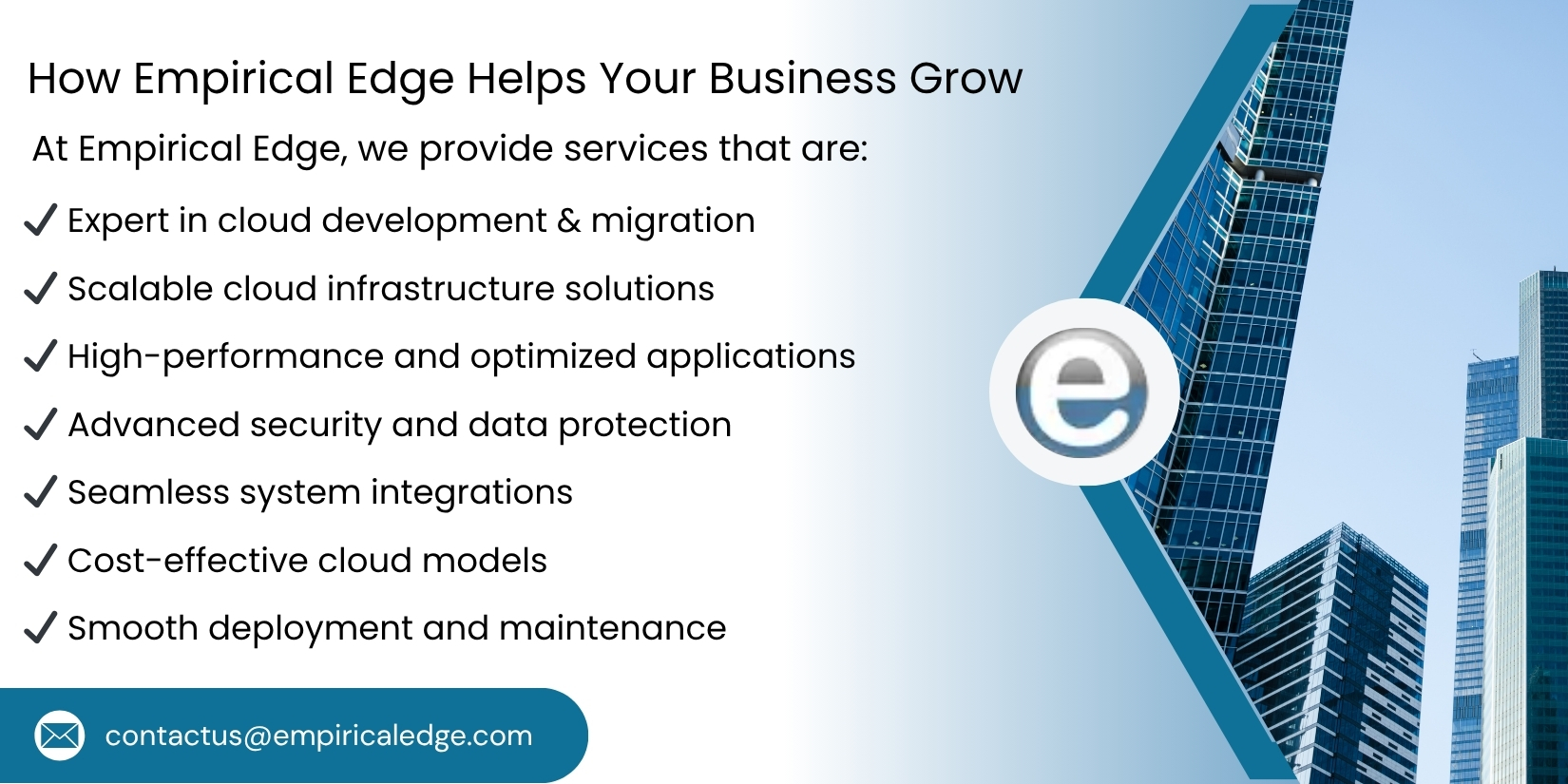
Why Choose Empirical Edge for Cloud-Based Solutions?
When it comes to adopting cloud-based applications, choosing the right technology partner is crucial. Empirical Edge provides reliable, scalable, and secure cloud solutions tailored to your business needs.
Conclusion
Businesses must adopt a cloud strategy rather than waiting to see how other companies fare through their own cloud implementation. There are many benefits associated with adopting cloud computing, such as cost savings, scalability of cloud solutions, and security enhancements.
With the transition to the cloud, businesses can improve the overall efficiency of their operations, minimize costs, and deliver a better experience for their customers.
If you are interested in pursuing your journey to the cloud, there is no better time than now to begin!
Ready to move your business to the cloud?
Contact Empirical Edge for expert cloud application development, cloud migration services, and cloud infrastructure solutions.
Frequently Asked Questions
Cloud-based applications are software programs that run on cloud servers instead of local devices, allowing access via the internet.
Businesses move to the cloud for scalability, cost savings, better security, and improved performance.
Key benefits include flexibility, remote access, cost efficiency, and automatic updates.
Yes, modern cloud platforms offer advanced security features like encryption and multi-factor authentication.
Written by: Empirical Edge Team