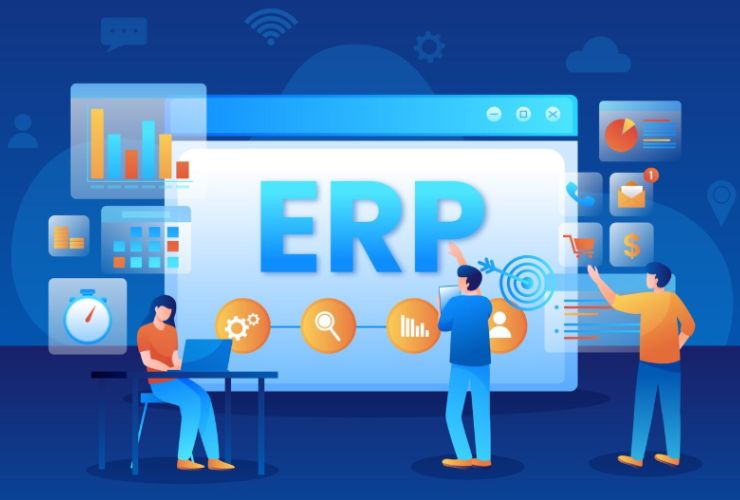




In today’s manufacturing world there is great emphasis on maximizing operational efficiency. The manufacturers of today continue to try to increase the speed at which they can manufacture products, lower the cost of the products they manufacture, maintain the quality of the products they manufacture, and respond to changes in consumer demand quickly. Furthermore, the manufacturers of today are aware that traditional systems, or multiple software tools, will not support the speed at which manufacturing operations need to occur.
Enter ERP (Enterprise Resource Planning) and system integration – two integral technologies that provide manufacturers with the means to connect the data and processes of their business within one integrated system, and make decisions utilizing the best data possible throughout all phases of the manufacturing process.
In this article, we will discuss how ERP and integrated manufacturing systems assist manufacturers in increasing their efficiency, eliminating wasted resources (both time and money) and facilitating growth with confidence.
What is ERP?
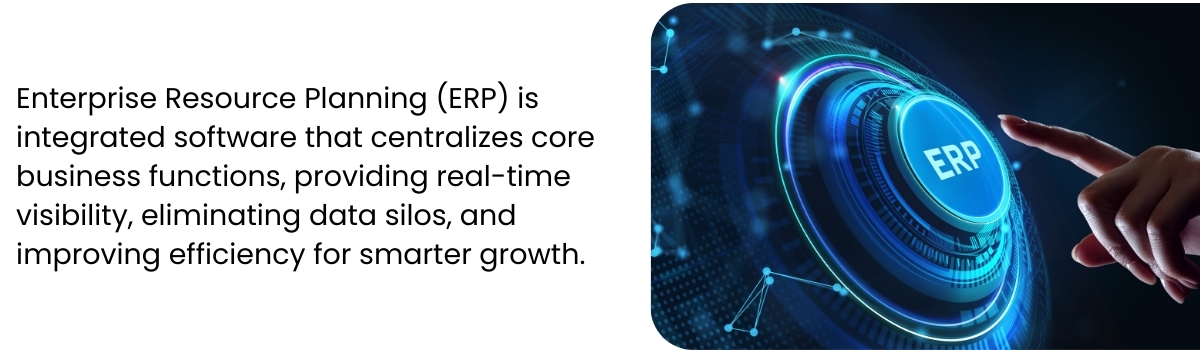
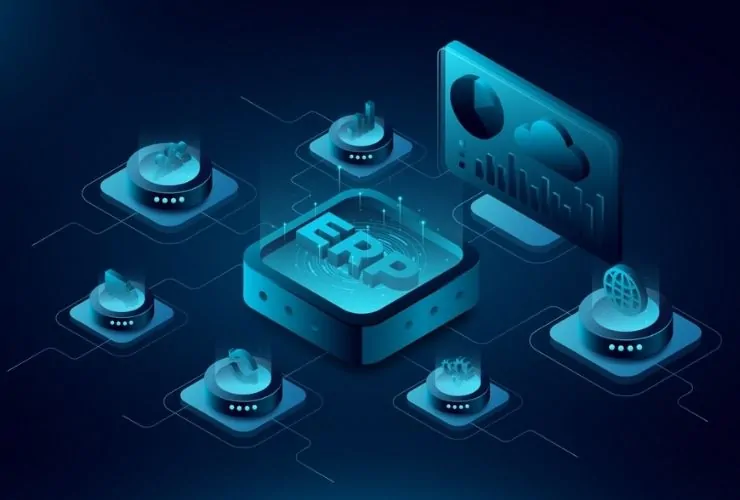
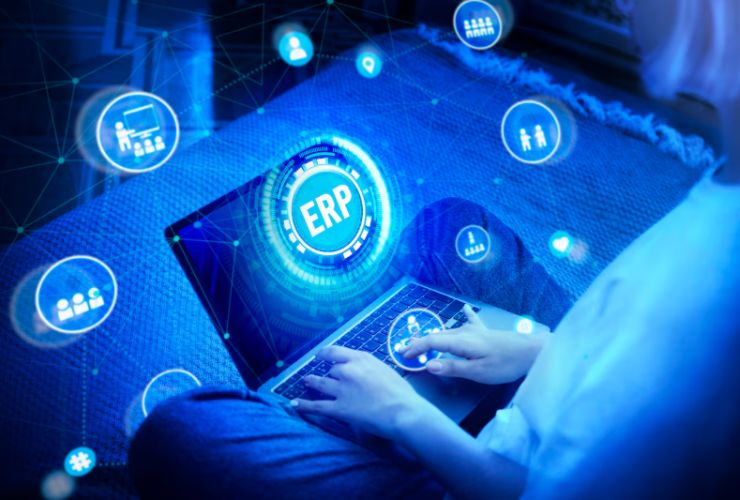
Enterprise Resource Planning (ERP) refers to a collection of integrated software applications that enable users to manage all functions related to operating their business from a single platform. Business functions that are included in ERP include inventory management, production planning, purchasing, financial accounting, sales, and human resources. By utilizing an ERP system to gain real-time visibility of all aspects of an organization, and to eliminate (siloed) data and to create one true source of record for historical and current decisions, an organization will be able to make better decisions.
Enterprise Resource Planning (ERP) systems also serve as the digital backbone of a business, providing businesses with the ability to achieve a high level of Operational Efficiency, aid in collaborative efforts of an organization, and help to develop long-term strategic growth.
Why System Integration Matters in Manufacturing
Manufacturing environments traditionally rely on disparate systems — legacy production tools, accounting software, inventory spreadsheets, and fragmented databases. Without integration, these systems cannot communicate, forcing teams to manually reconcile data and increasing the risk of errors.
System integration connects different software applications and hardware systems (like shop-floor machines, CRM tools, and supply chain platforms), enabling seamless data flow and automated workflows across the enterprise.
How ERP and Integrated Systems can Improve Manufacturing Productivity by Providing Real-Time Visibility through Decision Support
1. Real-Time Visibility for Leaders and Decision Makers.
With an ERP, all company data (from all departments) is centralized. This means that the leader can have one dashboard to see how well everything is running, where improvements will be made in the future, and all of the information needed to make good decisions quickly. By integrating systems, as data moves from machines to inventory to the sale of goods to customers (and vice versa), this data is automatically taken into the ERP and provided to the staff who need to make those decisions. Therefore, there is no delay nor guessing
The following are Benefits:
- Ability to immediately determine the cause of production bottleneck
- More accurate forecasting of future demand
- Quickly responding to supply chain disruptions due to equipment failure
2. Eliminating Manual Work and Associated Errors
Manual data entry and juggling multiple spreadsheets is one of the largest sources of inefficiencies in manufacturing. By integrating the systems, all of the manufacturing data that is generated throughout the enterprise/system is immediately synchronized across the manufacturing systems, therefore eliminating human errors and freeing the staff’s time to do other value-added activities.
3. Streamlined Inventory and Supply Chain Management
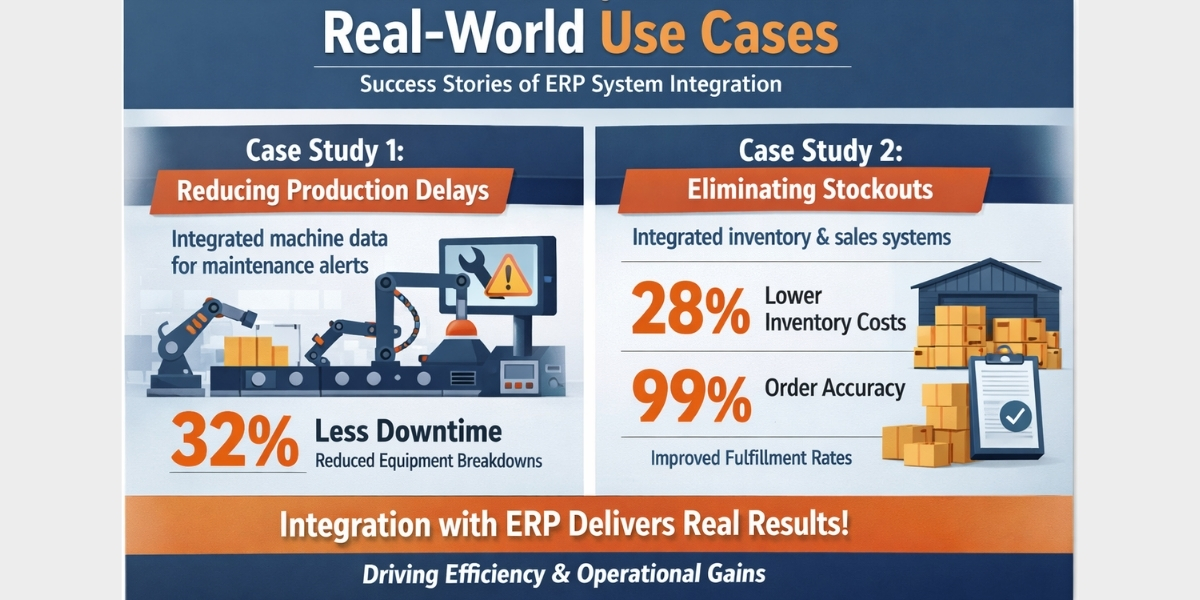
When the ERP and system integration is combined, the manufacturers can optimize their level of inventory, monitor their inventory in real-time and automate the process of re-ordering. When the Inventory system communicates with procurement, finance, and production, the manufacturer can avoid both running out of stock and being over-stocked, which results in positive cash flow and reduced waste.
4. Production Planning and Scheduling Effectiveness
ERP software has integrated inventory and demand forecasting modules for the integration of production planning tools. This guarantees that materials are available when needed and that machinery operates maximally and has the least amount of downtime.
Benefits for Manufacturers:
- Dynamic production schedules
- Predictive maintenance alerts
- Job setup and changeover speed
5. Improve Quality Control
Integrated systems permit quality data to be incorporated into analytics systems for real-time defect tracking and trend analysis. Instead of receiving quality reports after several days, manufacturers can take prompt action to solve issues; thus improving the consistency of finished products.
6. Improved Financial Controls and Compliance
ERP systems connect operational data to financial reporting to ensure accurate cost tracking and to provide visibility into cash flow. This allows companies to comply with industry regulations by ensuring that they are able to update their financial reports in real-time and that they can produce audit ready reports without any manual reconciliation.
7. Increase Collaboration Across Teams
ERP eliminates barriers between departments by providing shared access to information. All sales, production, procurement, and finance teams are using the same dataset for better communication and improved speed of problem resolution.
Choosing the Right ERP & Integration Strategy
Selecting and implementing ERP and integration solutions requires thoughtful planning:
Evaluate Business Needs
Understand your current challenges, data sources, and long-term goals.
Assess Current Infrastructure
Inventory existing systems and identify gaps that integration can fill.
Define Integration Priorities
Start with high-impact workflows — like inventory ↔ production ↔ finance — and expand from there.
Partner With Experienced Experts
ERP implementations are complex. Working with a trusted technology partner like Empirical Edge accelerates deployment, reduces risk, and delivers tailored systems based on industry best practices.
Addressing Frequent Obstacles
Resistance To Change:
The way to help your employees accept new processes is by providing training and communicating clearly.
Outdated Systems:
Use hybrid integration methods to phase out your legacy systems and implement modular upgrades.
Data Security:
Letting your employees move data between systems can be done with secure APIs, role-based access, and encryption.
Advantages of ERP and System Integration For Competitive Advantage
- Faster cycle times
- Higher product quality
- Lower operating costs
- Better forecasting
Due to frequent digital disruption in our world, integrated systems are no longer a nice-to-have; they are critical to survive and thrive.
Final Thoughts
Manufacturing effectiveness now comes from acquired and processed data, streamlined operations, and automated decision-making, not just from the shop floor. ERP and systems integration are essential for any manufacturing organization to be successful and resilient.
By using an integrated ERP system (real-time visibility), reducing the amount of manual work involved in the process. Integrated ERP system improving planning, manufacturers can make quicker decisions, take advantage of changing marketplace dynamics, and remain competitive.
For businesses wanting to optimize operational effectiveness and scale their operations efficiently, working with a qualified and experienced ERP and systems integration provider means implementing successfully and achieving long-term projects.
Boost Your Manufacturing Efficiency Today
Unlock the full potential of your operations with integrated ERP solutions designed for performance, scalability, and visibility. Partner with Empirical Edge’s expert team to streamline workflows, reduce costs, and scale your manufacturing business with confidence.
Frequently Asked Questions
ERP (Enterprise Resource Planning) is a centralized system that connects key business functions — production, inventory, finance, procurement, and more — into a unified digital platform.
By connecting disparate systems (production machines, inventory software, CRM, finance), integrated systems eliminate data silos, automate workflows, and provide real-time insights.
Yes. ERP helps reduce waste, optimize inventory, prevent stockouts, and automate manual tasks, which lowers operational costs.
No. Modern ERP solutions scale from mid-sized companies to enterprise organizations, with flexible deployment options like cloud-based or hybrid systems.
Experienced partners ensure accurate requirement analysis, successful integration, best practices implementation, training, and ongoing support — reducing risk and speeding ROI.
Written by: Empirical Edge Team