Today’s digital era (where data management needs have gone global and happen within seconds) has led organizations to have to process data quickly (with other organizations having a high degree of availability) and provides access to stored data from anywhere in the world. Most organizations still use stand-alone servers, and although this gives them enough capability to handle their needs at the current time, they do not meet the demands of the future. Distributed databases create an opportunity to handle the growing volume of processed and stored data, as well as handle the complexities of data processing for a business.
If you’re building global eCommerce, a financial system, real-time analytics, or any type of application that requires multiple nodes, distributed databases offer the best solution for managing today’s digital business. This post will cover the definition of what a distributed database is, how it works, the advantages of using distributed databases, and when you need to implement one.
Definition of a Distributed Database
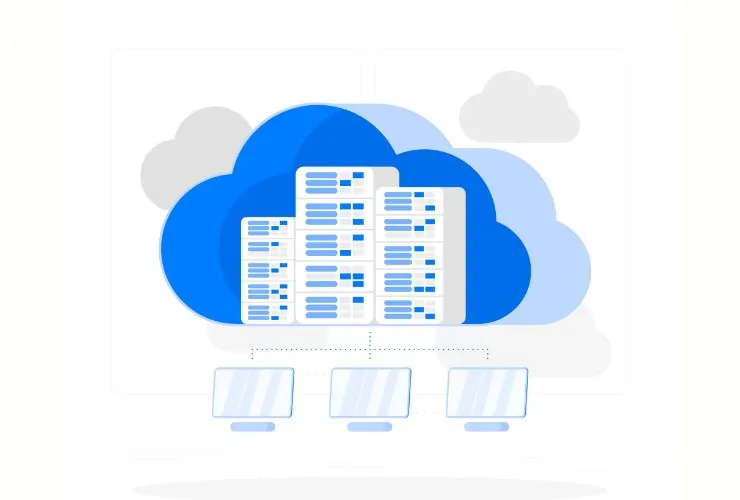
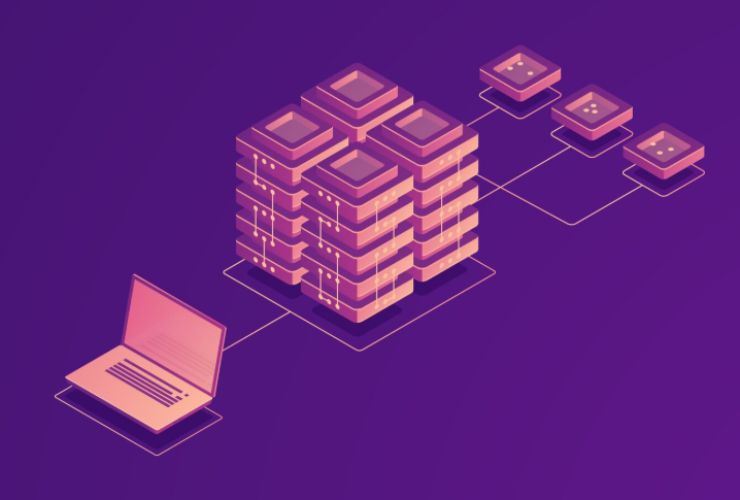
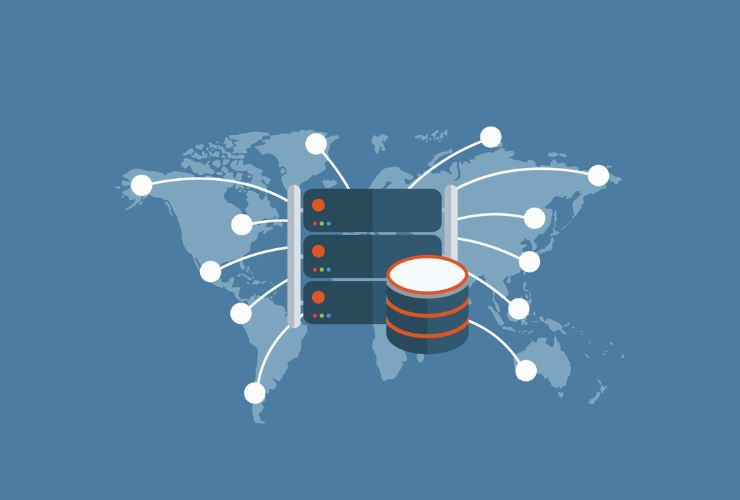
Distributed databases are a collection of interconnected databases in multiple locations (including servers, data centres or different parts of the world). Unlike traditional centralized databases, distributed databases work as a unified system where all database nodes operate together as one database.
All nodes store pieces of the database and can have read and write capabilities independent of other nodes. Users access data from any node. Although nodes are in different physical locations, users are able to access the same data; all users have access to consistent, accurate and current data.
Key Features of Distributed Databases
- Distributed Data
- Each node operates on its own (independent operation)
- All nodes maintain consistency, as updates are synchronized on all nodes
- Replication of data (provides fault tolerance, as multiple copies exist)
- Scalability by adding more nodes as needed
Distributed databases make it possible to manage large-scale applications efficiently by balancing load, minimizing downtime, and speeding up access to data.
Distributed Database Operations
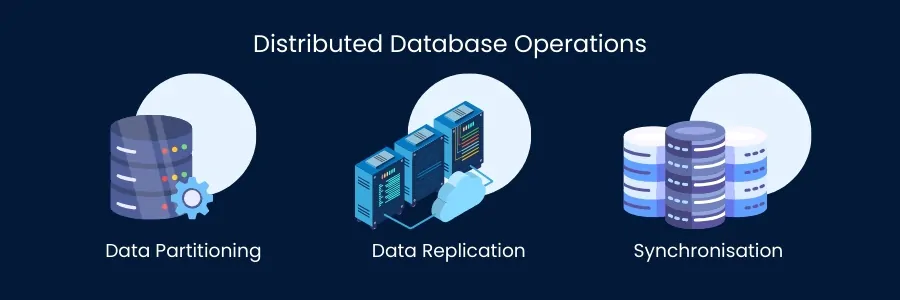
A distributed database stores data across many servers and systems. It relies on three core pillars for operation: data partitioning, replication, and synchronization.
I. Data Partitioning
Data is split up into smaller pieces (known as shards or partitions).
For example:
- Users being partitioned by region
- Records being partitioned by customer ID numbers
- Data being partitioned by category
Partitioning helps performance since it prevents any single node from being overloaded.
II. Data Replication
Data is copied (or replicated) on multiple nodes. This serves three purposes:
- To improve read performance by distributing the reading load
- To ensure that data is always available (in the case of server failure; if one node fails, other nodes have copies)
- To provide a reliable backup in the event of a server failure.
Common replication models in use today include:
- Master/slave (one primary and one or more secondary nodes)
- Multi-master (multiple primary nodes)
- Peer-to-peer (all nodes are equal).
III. Synchronisation
Distributed systems use synchronisation protocols to ensure data consistency. Synchronisation protocols include:
- Two-phase commit (2PC)
- Paxos
- Raft
These protocols provide a way for nodes to coordinate updates of data across the system to eliminate conflicts and prevent loss of data.
Types of Distributed Databases
There are four main categories of distributed databases:
I. Homogeneous Distributed Databases
Homogeneous Distributed Databases use the same underlying database engine on all nodes. MySQL Cluster and PostgreSQL with Citus are examples of Homogeneous Distributed Databases.
II. Heterogeneous Distributed Databases
Heterogeneous Distributed Databases have nodes running on different database systems and therefore require additional integration and translation layers.
III. Distributed SQL Databases
Distributed SQL Databases are modern databases that offer SQL query support, strong data consistency and horizontal scalability. Examples of Distributed SQL Databases include CockroachDB, YugabyteDB and Google Spanner.
IV. NoSQL Distributed Databases
NoSQL distributed databases handle very large amounts of unstructured data and support massively scaled-out applications. Examples of NoSQL Distributed Databases include Cassandra, MongoDB, and Redis Cluster.
Each type of Distributed Database provides unique opportunities and benefits.
Benefits of Using Distributed Databases
1. Horizontal Scalability
Distributed databases support horizontal scalability, which allows you to seamlessly add additional nodes, allowing for:
- Increasing traffic flow,
- Supporting larger amounts of data,
- Providing greater processing capabilities.
This flexibility enables growing organisations to scale easily.
2. Smooth Performance
Users will access their data from the destination closest to them, resulting in lower latency and faster performance.
3. Reliable & Highly Available
If one of the nodes is down, the other nodes will still be operating.
Replication of data ensures that no loss of data occurs and that all systems remain online.
4. Global Coverage
Data can be stored globally and can be easily accessed by users around the world, which provides:
- Speedy access,
- Local compliance (GDPR or Data residency laws),
- Reduced strain on central servers.
5. Cost-Effective
Instead of relying on high-cost enterprise-level servers, you can use low-cost commodity servers and/or cloud instances to vertically scale your system.
6. Flexibility for Current Workloads
Distributed databases can support:
- Big Data,
- Real-time Analytics,
- Tens-of-thousands of user accounts,
- High-availability and complex micro-services.
Conclusion
Distributed databases are the backbone of modern applications. They provide unparalleled scalability, reliability, performance, and availability for businesses operating on a global scale, and/or managing large Data sets.
If your business needs the fastest access possible to its Data, the smallest amount of downtime, and the potential for unlimited growth, consider selecting a Distributed Database for implementation. Utilizing proper planning and the appropriate Database model will allow organisations to implement their own powerful and future-focused applications.
Frequently Asked Questions
Businesses use distributed databases to handle large data volumes, support global users, reduce downtime, improve speed, and ensure business continuity.
They solve scalability limits, single-server failures, performance bottlenecks, disaster recovery risks, and geographic latency issues.
By spreading data across multiple nodes, queries run faster, traffic is balanced, and users are served from the nearest location—reducing latency.
They scale horizontally, allowing businesses to add more servers as demand grows without affecting performance.
It depends on data size, workload complexity, cloud environment, and integration needs. Projects may range from a few weeks to several months.
Empirical Edge designs, builds, and manages secure, high-performance distributed database solutions for scalable, cloud-ready business applications.
Written by: Empirical Edge Team