
Digital transformation enhances and integrates advanced technology into every aspect of a company in order to help companies efficiently simplify and accelerate their processes to create innovative new business models and to rapidly adjust their operations to meet changes in market conditions.
By providing small and mid-sized companies throughout the United States with a roadmap on how to use technology to enhance their businesses through growth will help to open up new revenue streams, create more efficient workforces, and build sustainable operations.
What Is Digital Transformation
Digital transformation is the process of modernizing a company through technology to create more efficient business processes, improve decision-making and enhance customer experiences through the use of real-time data, automated work processes, and agile business models, in order to create business growth through the use of new technologies.
Instead of relying on manual processes or outdated business structures, companies can utilize the use of cloud-based solutions, artificial intelligence, analytics to help them operate more efficiently and competitively.
Why U.S. Business’s Importance of Digital Transformation
1. Smarter, Data Driven Decisions
Real-time data gives leaders a better understanding of emerging trends, forecast future demand and take quick preventative measures.
2. Long Term Cost Effectiveness
While digital transformation requires an investment up front, in reality, once implemented; the use of modern day digital systems leads to lower operational costs and improved use of organizational resources long-term.
3. Improved Customer Experience
In today’s digitally driven world, U.S. consumers have high expectations for seamless digital experiences. They expect personalized service; quick response times; and multichannel customer support.
4. Competitive Advantage
Digital-first organizations are allowing for companies to be more agile, innovative and able to take advantage of the opportunities that may arise.
Key Technologies Driving Digital Transformation in the United States
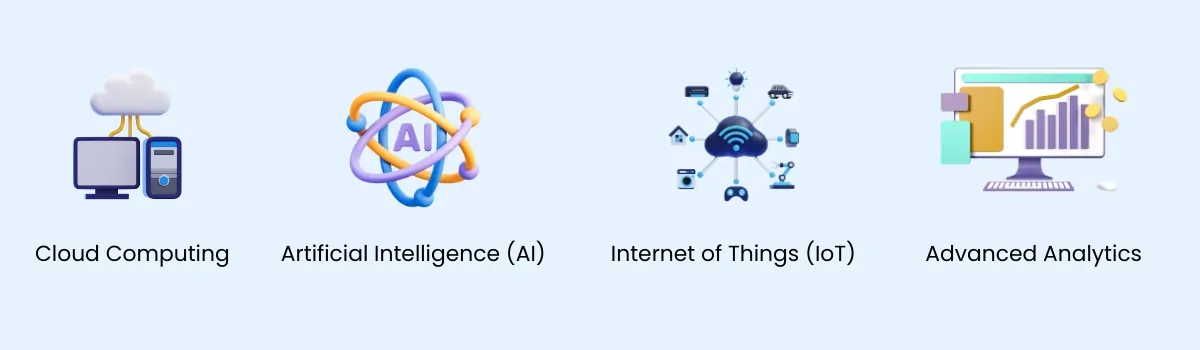
When selecting the right technology to continue growing as a company, businesses should focus on the technology that provides measurable business results.
Cloud Computing: Scalable infrastructure solution for operations, allows remote work and reduces reliance on expensive on-premise solutions.
Artificial Intelligence (AI): Enables predictive analytics, smart automation and creates personalized customer experiences.
Internet of Things (IoT): Provides real-time visibility for operations providing better supply chain management and asset tracking.
Advanced Analytics: Raw data converted into useful information and insight to make better strategic decisions.
Critical Elements of a Successful Digital Transformation Strategy
Establish a Scalable Technology Infrastructure
Utilizing cloud-based architecture and integrated technology platforms provide the organization with a flexible, secure and high-performing technology infrastructure.
Establish a Clearly Defined Data Strategy
Data is one of the most valuable business assets. Organizations must focus on all aspects of data collection, management and analysis to improve their ability to make decisions and target customers.
Foster a Digital-First Culture
Encouraging innovation, collaboration and ongoing learning will allow employees to more rapidly adapt to new technologies.
Reorganize and Streamline Business Operations
Re-engineering current workflows will reduce waste and increase efficiency in the delivery of services.
Invest in the Skills of Your Workforce
Providing training and hiring digital talent will allow your organization to fully leverage emerging technologies.
Digital Transformation Trends in the USA
US businesses have been rapidly adopting digital technologies so they can stay competitive and meet the demands of an increasingly technology-based market.
Some of the main trends driving digital transformation in the US include:
- The fast adoption of Cloud-based solutions
- Increased investment in AI-related tools
- The growth of remote and hybrid workplace technology
- A greater emphasis on Cybersecurity/compliance
- The growing need for customized enterprise applications
Companies that embrace these trends will have a better chance of scaling and adapting to the rapidly evolving economy.
A Step-By-Step Guide To Digital Transformation
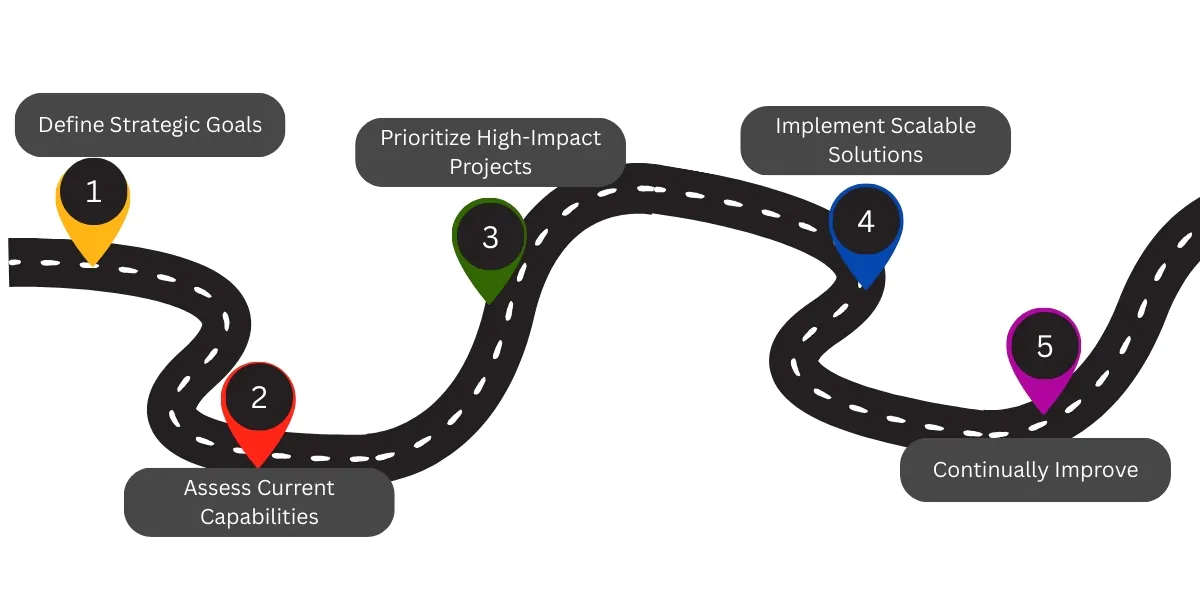
Step One – Define Strategic Goals
The first step in your digital transformation roadmap is to ensure that all of your digital projects are aligned with your business goals, including, but not limited to, revenue growth, operational efficiency, or better customer retention.
Step Two – Assess Current Capabilities
Evaluate all of the current resources you are using to determine where you need to invest resources for digital transformation.
Step Three – Prioritize High-Impact Projects
Select projects that provide the quickest return on investment (ROI), such as cloud migration, CRM systems, and workflow automation.
Step Four – Implement Scalable Solutions
To ensure that your digital transformation is sustainable over time, utilize flexible technologies that will grow with your organization.
Step Five – Continually Improve
Digital transformation is a continuous process that requires being proactive about monitoring and innovating new solutions.
Common Hurdles – And How To Conquer Them
- Resistance To Transformation: A strong leader with clear communication can help teams accept change.
- Old Technology: Adopting a new, modern cloud-based solution will help companies become more agile and perform better.
- Cybersecurity Threats: Using a robust security framework to protect sensitive corporate information.
Companies that proactively deal with these issues will increase their chances of being successful for years to come.
What Empirical Edge Can Do To Accelerate Your Digital Transformation
At Empirical Edge, we are helping businesses in the U.S., move to digitally secure, scalable, and future-ready operations by providing:
- Custom-developed applications built around your specific needs.
- Cloud Applications that grow with your business.
- Data-centric platforms enabling smarter decision making.
- Enterprise Class Security Frameworks.
We work to develop technology that supports your business goals to help you grow as quickly as possible, provide better service to your customers, and maintain your competitive edge.
Conclusion
Digital transformation is not only about implementing new technologies, but how do you want to set your company up to continue to provide value in a digital world.
If a company invests in building digital capability they typically will become more agile, improve their bottom line, and create a stronger ability to withstand disruption.
So now for a business in the U.S. the question is no longer “Should we transform our company?” it is now “How do we transform our company?”
Partnering with an experienced technology provider can make your transformation journey smoother, more secure, and far more impactful.
Ready to Digitally Transform Your Business?
Don’t let outdated systems slow your growth. Partner with Empirical Edge Technology Pvt. Ltd. to build secure, scalable, and future-ready digital solutions tailored to your business goals.
Whether you need custom software, cloud migration, AI-powered tools, or enterprise applications, our experts are here to help you innovate faster and compete with confidence.
Frequently Asked Questions
A digital transformation strategy is a structured plan that uses modern technologies like cloud computing, AI, and automation to improve business processes, enhance customer experience, and drive growth.
It helps businesses increase efficiency, reduce operational costs, make data-driven decisions, and remain competitive in a rapidly evolving digital marketplace.
The timeline varies depending on business size, goals, and existing infrastructure. Many companies see measurable improvements within a few months, while full transformation may take 6–18 months.
Key technologies include cloud computing, artificial intelligence, advanced analytics, IoT, automation tools, and secure enterprise software platforms.
If your organization relies on manual processes, struggles with scalability, or wants better data insights and customer engagement, it is likely ready for digital transformation.
Empirical Edge provides customized digital solutions, including software development, cloud implementation, automation, and IT consulting—helping businesses modernize operations, improve efficiency, and scale confidently.
Written by: Empirical Edge