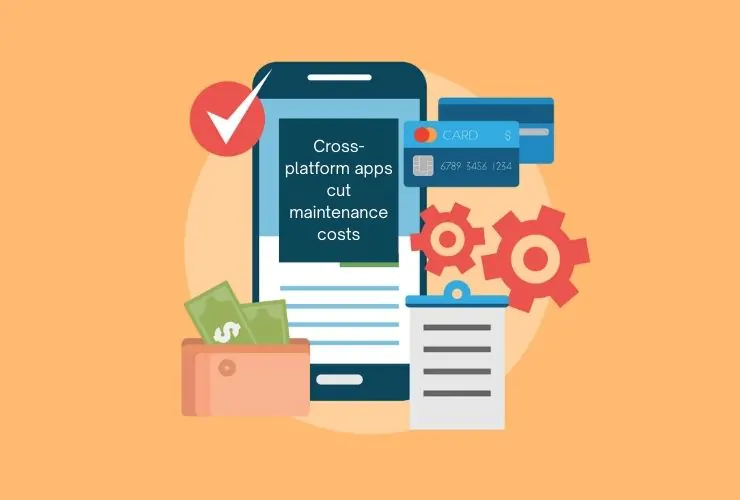


Organizations developing mobile and digital products are becoming more concerned about their ability to achieve long-term sustainability and cost-effectiveness. While the successful launch of a great mobile app is critical to initial success, maintaining that app efficiently for years to come will ultimately determine whether an organization succeeds. Regular app maintenance will include updates, bug fixes, performance tuning, security patches, and OS compatibility support, as well as increasing the available infrastructure and continuing to enhance features.
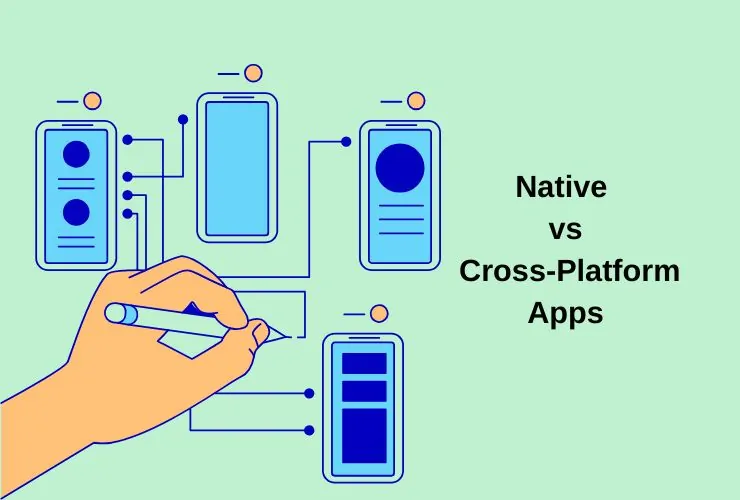
Traditionally, organizations that developed separate native apps for iPhone/iPad iOS devices (Swift/Objective-C) and Android devices (Java/Kotlin) used an entirely different code base, interfacing, development team, testing cycle, deployment pipeline, and maintenance process for each app and device family. Native applications generally provide the best level of performance to the user; however, this requires maintaining two separate architectures and systems over time, which leads to increased operating costs, greater strain on internal technical support resources, and increased reliance on large engineering teams.
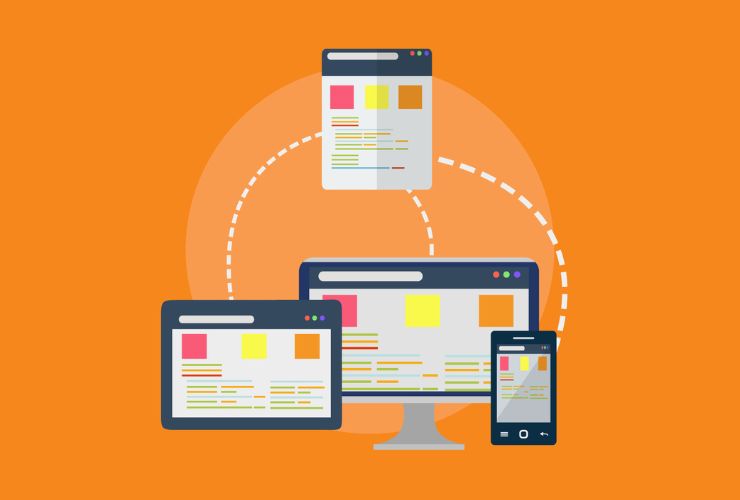
Cross-platform application development has changed this paradigm. Cross-platform application framework providers such as React Native allow organizations to create a unified code base that can run across all major operating systems. This means that an organization can increase the level of innovation without proportionately increasing maintenance costs for the same amount of time. When strategically managed, this creates a significant long-term advantage over other organizations in terms of cost management, stability of the system, consistency in the deployment of applications, and increased productivity of the development teams.
1. One Codebase, One Source of Truth
Having a single Codebase and Source of Truth makes it easier to take care of paying for the maintenance costs that are incurred from maintaining two separate native apps.
In native app development, the maintenance cost is primarily associated with the duplication of efforts to build and maintain low-cost alternatives across both iOS and Android devices. When you create a cross-platform application using cross-platform tools like Flutter, React Native, Xamarin, Ionic and .NET MAUI, both platforms draw from the same centralized code.
Advantages to cross-platform App Maintenance include:
- No duplicate logic or re-write costs
- Fix once; deploy to both platforms
- Consistent business rules applied uniformly across all platforms
- Fewer inconsistencies in the code, resulting in fewer regressions
- Easier to debug, so faster problem resolution.
Companies save time and money by not needing to engage two separate teams to build and maintain two parallel versions of the same product’s functionality. Instead, one team provides a set of benefits across both platforms at once, as opposed to replicating those services over the life of the application, which reduces ongoing operational overhead.
2. Faster Updates Results in Decreased Cost of Maintenance
Updates account for one of the highest costs incurred during ongoing maintenance of a mobile App. In the case of native Apps, changes made to the UI, rule definitions, upgrading libraries or codebase architecture require separate release and deployment schedules. In contrast, updates can be deployed via a single release to Users for all mobile Apps using Cross-Platform App frameworks.
Some of the Benefits of Deploying Updates to Cross-Platform Apps via a Centralized Location Include:
- Reduced Developer Time for Duplicative Development
- Faster Duplicate Development Cycles
- Shorter timelines for Quality Assurance and Deployments
- Lower Labor Costs for Frequent Updates
Some frameworks, like Flutter, allow developers to instantly test code changes using Hot Reload functionality, which enables the testing of individual code changes without needing to republish the entire codebase. In so much as the developer has less to duplicate, the quicker the developer can test and verify and release updates.
3. Lower Team Size = Lower Cost & Higher Efficiency
The use of 2 native platforms requires:
- Separate iOS Specialists
- Separate Android Specialists
- Separate QA Team for Each Platform
- Separate DevOps and Build Engineers for Each Platform
- Separate Deployment Cycles by Platform
With Cross-Platform Development businesses will have:
- A Shared Engineering Team
- A Shared QA Pipeline
- A Shared CI/CD Workflow
- A Shared DevOps Strategy
- A single Support Hierarchy
This Smaller yet more Efficient Team Structure allows for continued savings in ongoing Internal costs while maintaining high Output levels. A small team working on Common Code enables:
- Increased Collaboration
- Increased Speed of Knowledge Transfer
- Reduced Onboarding Costs
- Increased Retention through Shared Ownership
For Larger Enterprises, The Effect of Maintaining Applications Without Adding Resources to Engineering is Dramatically Reducing Costs.
4. Unified QA and Testing = Less Regression Cost to Maintain Native Apps
Testing is where maintaining Native Apps Costs the Most to Support, By Using Cross-Platform Development That Allows for a Central Repository of Test Logic, You Get:
- Mobile UI Behavior
- Navigation System Behaviors
- Compatibility between Modules
- API Behavior
- Database Operations
- OS Upgrade Checks
- Device Resolution Checks
These automated testing frameworks allow you to reuse the centralized test logic in order to Support Shared Regression Testing.
This Will Result in:
- Less Testing Hour Required
- Increased Reduction in Risk of Regression Failure
- Faster Error/Defect Resolution
- Fewer Bottlenecks when Releasing Software
- Decrease in Cost to Perform QA
- Reduced Cost of Test Infrastructure Duplication
Even when Test Cases unique to Each Platform are required for Content, the Total Efforts Required Will Be 80% to 95% Shared for All other Areas of QA.
5. OS compatibility updates are centrally managed
The iOS and Android operating systems are constantly updated. Each time a new operating system is launched, it is often required for native developers to make changes to their SDK dependencies, refactor deprecated code and optimize user experience behavior independently across the two platform.
For cross-platform mobile development:
- Framework maintainers will handle OS-level compatibility for all devices in a single area.
- The business will only need to do a framework version upgrade to get the compatibility update, instead of having to rewrite the entire application from scratch.
- A large percentage of compatibility issues will not occur as all logic pertaining to the operating system is combined.
Long-term savings will include:
- The yearly refresh of all compatibility.
- The rebuilding of user experience on the OS when a new version is released.
- The ability to support new device behaviors.
Companies will also save on emergency patches since the updates have been tested and released from the framework ecosystem level.
6. The use of a plugin ecosystem is more efficient than creating custom native features.
In cross-platform development, developers will use plugins and pre-built bridges to access device capabilities. Developers have to build a native integration for each of the device types (e.g., camera, storage, payments, push notifications, fingerprint recognition, Bluetooth, and GPS) instead of having to build a new custom integration each time they develop a new version of the application.
The benefits of using plugins include:
- The elimination of having to create a custom build for each platform.
- The support for each version of each of the plugins will be maintained by the plugin authors.
- The reduction in time and cost associated with the development and integration of new applications.
- The reduction of the risk associated with security issues related to the use of developed tools that have been tested in the ecosystem.
- Developers can quickly get updates by upgrading their version of a plugin, rather than by going through a new engineering cycle.
This significantly reduces the dependency for direct maintenance to be completed by internal engineering teams.
Who is the Key Beneficiary?
- Start-up companies can create MVPs quickly with little to no need for future maintenance.
- SMBs can reduce ongoing operational costs through cross-platform technologies.
- Enterprise companies can scale up digital offerings without having to scale up engineering manpower.
- Retailers and eCommerce can constantly refresh their user interface designs.
- ERP and business applications can benefit from a consistent method to manage shared states.
- Logistics and booking applications can be efficiently created with plug-ins and concurrency handling.
- Fintech technology can enable secure and consistent transactions.
Summary
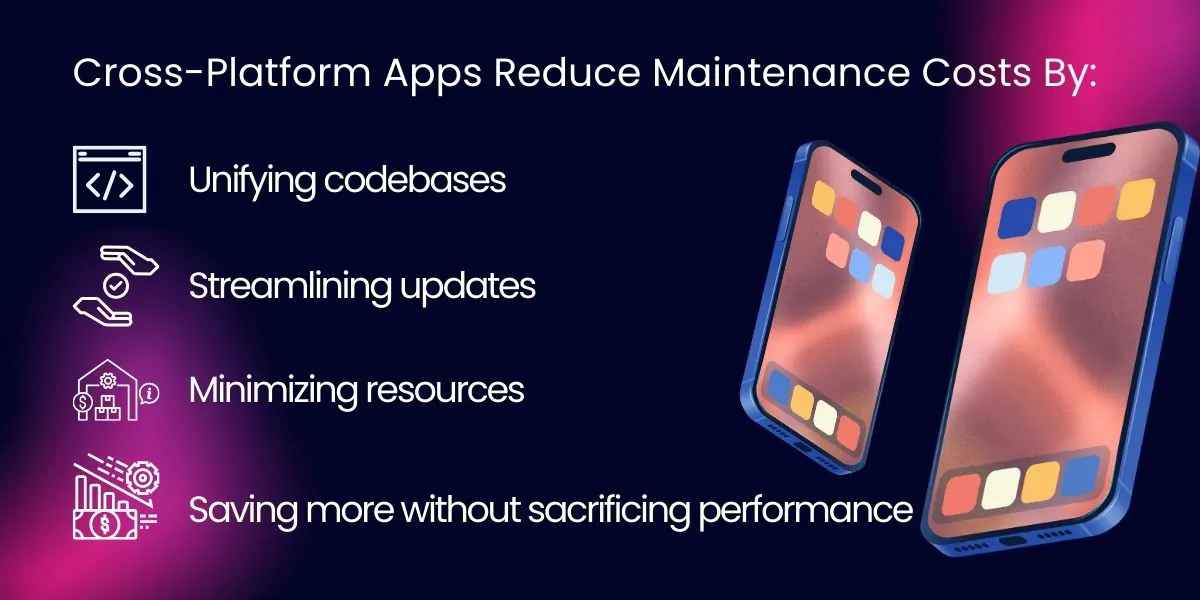
Cross-platform applications allow developers to create their applications once and maintain them smartly across many different platforms. Companies benefit from having unified Development, Test Quality Assurance (QA), Deployment, Monitoring, Upgrades, Architecture and Plugin Dependencies. By doing this companies can achieve significant long-term savings and reduce Technical Debt while improving their iterations without sacrificing performance or user experience.
If planned correctly, cross-platform frameworks provide one of the best long term Financial advantages in keeping Digital Product sustained for years to come. The real return on investment (ROI) associated with cross-platform development is NOT only in faster Development but rather the smartest maintenance that creates a significant Cost Reduction that provides opportunity for businesses to focus on scaling functionality of their Digital Products instead of spending virtually all budget on Maintenance Cost.
Reduce App Maintenance Costs With Cross-Platform Development
Build efficient, scalable cross-platform applications that lower long-term maintenance costs — partner with Empirical Edge for expert development, support, and optimization.
Frequently Asked Questions
Cross-platform apps are mobile or desktop applications built to run on multiple operating systems (e.g., iOS and Android) using a single codebase.
By using a shared codebase, development teams only fix bugs, update features, and deploy enhancements once — cutting maintenance time and cost significantly.
Absolutely — unified development and testing means faster updates, quicker issue fixes, and streamlined deployment.
Automated and unified testing frameworks reduce QA time and maintenance overhead because changes are tested once for multiple platforms.
Written by: Empirical Edge Team